What the Housing Market Shift in 2026 Means for Buyers

The housing market for buyers is starting to look a bit better in 2026. It’s not a complete buyer’s market just yet, but things are more balanced now compared to when sellers had all the power. Mortgage rates have come down from their peaks, and there are more homes available in many areas. This means buyers have a bit more breathing room to compare different homes and negotiate prices. They could make moves without feeling so much pressure, which is a nice change from the chaos of the past few years.
For Bay Area buyers, the shift is more nuanced. Strong homes in strong locations are still competitive. Even so, overpriced homes and weaker listings are facing more resistance. Leading to longer time on market, and more pricing pressure. That is often where thoughtful buyers start to find better openings.
Why 2026 feels different from the last few years?
For a while now, people looking to buy a home have been in a tough spot. Interest rates on mortgages were pretty high, there just weren’t enough houses for sale, and prices didn’t drop enough to make a big difference. So, a lot of buyers just put their plans on hold, waited to see what would happen, or kept looking around without feeling like it was the right time to make a move. They didn’t have enough confidence to go ahead with buying a home.
The 2026 housing market for buyers looks different, not because conditions have suddenly become easy, but because the balance is no longer as one-sided. Buyers today have more time to think, more leverage to ask questions, and more ability to negotiate than they did during the most aggressive phases of the market.
That shift matters. A market does not need to collapse to become more workable for buyers. In many cases, a quieter, more balanced environment creates better decision-making conditions than a fast market driven by fear of missing out.
What is changing in 2026?
It’s not just one big thing that’s changing everything, but a bunch of smaller things all happening together that are really making a difference.
Mortgage rates have come down a bit from their highest points. They’re still higher than they were when rates were really low, but they’re not as shocking as they used to be, which had stopped a lot of buyers from moving forward. Even small changes in rates can make a big difference in how much people pay each month, and that can be enough to make buyers feel more confident about getting back into the market.
As things stand, the number of homes for sale is going up in some areas. More and more homeowners are coming to terms with the fact that interest rates are not going to drop drastically anytime soon. So, they’re deciding to put their homes on the market instead of waiting around. Just because there are more homes for sale, it doesn’t mean buyers are suddenly in the driver’s seat. But it does give them more options and takes some of the pressure off – they don’t have to feel like they have to make a decision right away or risk losing out.
These days, people who are looking to buy something are changing the way they think. They’re not as quick to rush into things or ignore potential problems. Instead, they’re taking their time to compare prices, think about what they’re getting for their money, and make smarter decisions. They want to know exactly how much something will cost them each month and what they’re getting in return. It’s like they’re being more careful with their money and not just jumping into something because they feel like they have to.
How buyer behavior is shifting

The 2026 housing market for buyers is shaped as much by buyer behavior as by rates and inventory.
Buyers today are more analytical. They are paying closer attention to affordability, concessions, inspection findings, and long-term carrying cost. They are also more selective about which homes are worth pursuing aggressively and which ones deserve a harder negotiation.
Things are changing from how they used to be. Before, people had to act fast when buying a house because the market was so competitive. Now, it’s not as crazy, and while speed is still important for the best houses, it’s more about making smart decisions. You have to think carefully and consider what you’re doing, rather than just rushing in. This is a big difference from the past, when people felt like they had to move quickly or they would miss out. Now, it’s more about being thoughtful and making a good choice.
More and more buyers are shifting their focus away from trying to perfectly time the market, and instead, they’re looking for the right opportunity that’s actually out there. This approach tends to lead to more sensible decisions, as it’s based on what’s really available, rather than trying to predict what might happen in the future. By doing so, buyers can make more informed choices that suit their needs, rather than getting caught up in the uncertainty of market trends.
A closer look at the Bay Area Housing Market
The Bay Area is a bit of a mixed bag, and its story is more complicated than what’s happening in the rest of the country.
People still want to buy homes, but they’re being picky now. If a house is in a great spot and the price is right, it can still get a lot of attention, especially in areas where there aren’t many homes for sale and people feel good about buying. But if a house is overpriced, needs repairs, or doesn’t have what buyers are looking for these days, they’re not as interested. It’s like the market is splitting into different groups, with some homes being really popular and others not so much.
That is why the Bay Area is not moving as one single market. Some homes still move quickly. Others sit longer, adjust pricing, or need a better negotiation strategy to get done.
The local job market is still important. The Bay Area is closely linked to the tech industry, new ideas, and investments in artificial intelligence. This doesn’t mean there won’t be ups and downs, but it does create a steady demand for housing, even when things slow down. For people looking to buy, this means the market might be a bit more relaxed than it was before, but that doesn’t mean houses will suddenly become affordable.
Is 2026 really a turning point for buyers?
That depends on what you mean by a turning point.

Don’t count on housing prices plummeting or the market suddenly flipping to favor buyers overnight – that’s just not how it usually works. Housing markets tend to be pretty stable, and big changes don’t happen without some major economic upheaval. In other words, if you’re waiting for a huge shift in the market, you might be waiting a while, unless something big happens in the economy.
So, if we think of a turning point as the moment when things start to shift, then maybe we’re already seeing that happen.
The housing market for buyers in 2026 is showing some signs of change. For one, buyers have a bit more room to breathe now. They’ve got more options to choose from, which means they can negotiate better deals. And they’ve got more time to think about what they really want.
These might seem like small things, but they’re actually pretty big changes. And even though they’re happening slowly, they’re still meaningful. It’s like the balance is starting to tip, and buyers are getting a little more control. They can take their time, weigh their options, and make more informed decisions. That’s a big deal, even if it’s not happening overnight.
Turning points in housing are often clearer in hindsight. By the time a shift feels obvious to everyone, many of the quieter opportunities have already been taken.
What could accelerate the shift
A few factors could strengthen buyer leverage further.
Mortgage rates play a big role here. If they go down even more, it’s likely that some buyers will start looking again. This could be good for demand, but it might also affect how people think about what they can afford, and that can change fast.

Inventory plays a crucial role as well. When supply keeps increasing, buyers have more options and bargaining power, which typically leads to more stable prices and better negotiating conditions for them. This shift in balance can make a big difference in how deals are made.
As time goes on, people’s expectations start to shift. When buyers and sellers spend more time in this environment, they begin to change how they behave. Buyers become more careful and thoughtful in their decisions. Sellers, on the other hand, start to have a more realistic view of things. This can lead to a more balanced and stable market, which is a big improvement from the extreme ups and downs we saw before. Eventually, this can create a healthier market dynamic, where both buyers and sellers have a more realistic understanding of the situation.
What this means for buyers, sellers, and investors
For Buyers:
Now is a good time for buyers to take a closer look and think carefully about their options, rather than waiting for everything to be perfect. The housing market for buyers in 2026 is still competitive, but it’s not as crazy as it used to be. Buyers have a bit more space to breathe, compare different homes, and negotiate prices based on facts. They can make decisions without feeling rushed or panicked, and that’s a big plus. It’s a chance for buyers to take control and make smart choices, rather than just jumping into something because they feel like they have to.
It’s really helpful to have a clear idea of how much you can afford and what you’re comfortable paying each month. When you know your budget and monthly payment limits, you can focus on finding the best value instead of just looking at the price tag.
For Sellers
When it comes to selling a home, having a solid strategy in place is crucial. It’s not just about timing, but about presenting your home in the right way and pricing it correctly.
If you get these things right, your home can still attract a lot of interest and sell well, even in a tough market. But if you make mistakes like overpricing your home, not presenting it in its best light, or ignoring what buyers are looking for, you’ll likely see the consequences pretty quickly.
Your home might sit on the market for longer than you’d like, and you might even have to reduce the price to get it sold. So, it’s really important to get things just right if you want to succeed in today’s market.
For Investors
For investors, this kind of market rewards discipline. There is often less noise, less hype, and more room to judge opportunities on fundamentals. That does not mean every deal works. It means the market may be giving more space for serious underwriting and clearer comparisons.
How to position yourself for what comes next
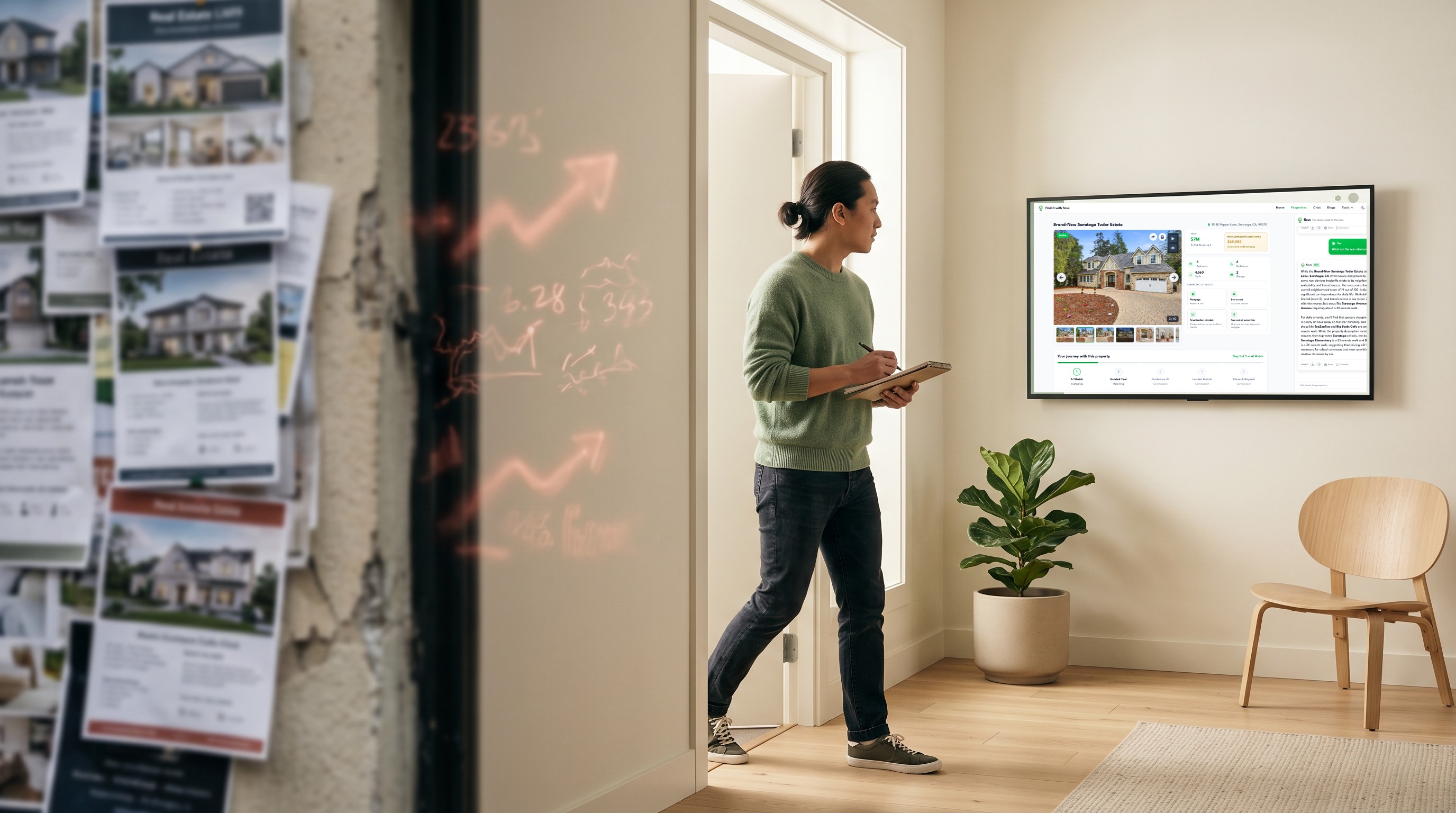
The biggest mistake right now is assuming the perfect moment will announce itself clearly.
Markets tend to develop slowly before they become apparent. New opportunities can emerge without much fanfare. This is exactly why being prepared is more important than trying to predict what will happen. By the time something becomes obvious, it may already be too late to take advantage of it.
When you’re looking to buy a home, it’s a good idea to take a closer look at your budget and figure out what you can really afford. You should also think about what kinds of concessions might affect how much cash you need to close the deal. And it’s worth researching which neighborhoods are giving buyers more power to negotiate. On the other hand, if you’re selling a home, you need to be smart about pricing and understand what buyers are looking for.
If you’re an investor, it’s often better to wait for the right moment, when all the factors line up in your favor, rather than rushing into something that might not pay off. This way, you can avoid getting caught up in all the noise and make a more informed decision.
2026 might not be the year that everything changes overnight. It could be the year that things start to shift in a way that savvy buyers can really take advantage of.
To get a better sense of how this change affects you in the Bay Area, consider setting up a short meeting with us at ficustree. We can help you go over your plans, budget, and the areas you’re interested in.
Suggested Tools and Blogs
- Tool – Seller Concession Calculator
- Tool – True Cost of Homeownership Calculator
- Blog – How to Ask for Seller Concessions in California
- Blog – How to Get the Right Seller Credit After Inspection
Got questions? We got you covered
Is 2026 a good time to buy a house?
It may be a better time than the past few years for some buyers because the market is more balanced, inventory is improving in some areas, and buyers often have more room to negotiate.
Is the 2026 housing market for buyers finally improving?
The 2026 housing market for buyers appears more workable than the peak seller-dominated period, though it is not a full buyer’s market everywhere.
Are mortgage rates lower in 2026 than their recent highs?
Rates have eased from their peak levels, which has helped some buyers re-enter the market, even though borrowing costs are still elevated versus the ultra-low-rate period.
Is the Bay Area becoming a buyer’s market in 2026?
Not broadly. The Bay Area remains nuanced. Strong homes in strong locations can still attract serious demand, while weaker or overpriced homes are seeing more resistance.
Why does inventory matter so much in 2026?
Inventory shapes buyer leverage. More listings usually mean more choice, less pressure, and a better chance to compare homes without reacting purely out of urgency.
Should buyers wait for rates to drop further?
That depends on budget, timeline, and market conditions. Waiting may help in some cases, but better rates can also bring more competition back into the market.
What should buyers focus on most right now?
Buyers should focus on realistic monthly affordability, negotiating room, property quality, and long-term fit rather than trying to guess the absolute bottom of the market.
What does this market mean for sellers?
Sellers still have opportunities, but pricing discipline and presentation matter more now. Buyers are more selective and less willing to overlook weak positioning.
What does this market mean for investors?
For investors, a less frenzied market can create more room to evaluate deals on fundamentals rather than emotion or hype.