
When you’re buying a home, it’s easy to get caught up in the excitement of finding “the one.” However, behind the scenes, a few essential steps can either save you thousands of dollars or leave you facing unexpected costs. Two of the most important and often misunderstood aspects are the home inspection and the home warranty. Most buyers have heard of them, yet many do not fully understand what they protect or how they work.
Many first-time buyers also ask about home inspection cost, what is included, and how warranties fit into the process.
Here’s our First-time Home buyers blog that has all the key details every first-time home buyers should know.
Before you jump into a home purchase, here is what you need to know in simple, clear terms.
Home Inspection: Why it matters more than you think
A home inspection is not a formality. It is a detailed look at what you are actually buying. Sellers sometimes provide inspection reports upfront, but many do not. Even when reports are provided, it is still wise to understand the property’s condition with your own eyes and through a trusted professional.
From years of working with homebuyers, here are key points to understand.
1. Not all inspections are the same
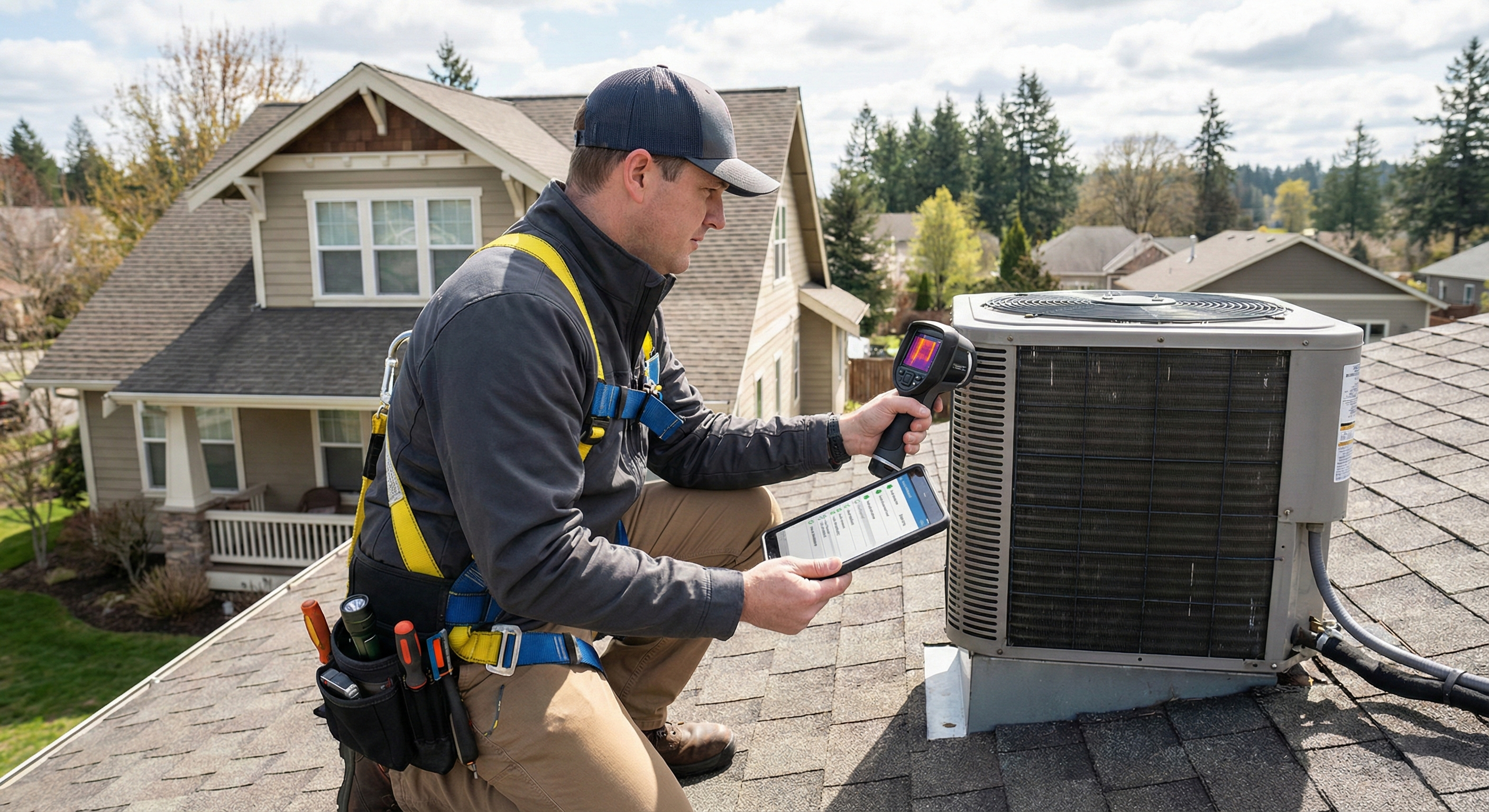
A standard home inspection covers the basics: structural components, visible systems, plumbing, electrical, roof, foundation, and safety concerns. However, older homes or properties with additions often require extra inspections, such as:
- Roof inspection
- Sewer line inspection
- Chimney inspection
- HVAC inspection
- Pest inspection
These specialized evaluations are not included in the standard inspection and are paid for by the buyer. Additionally, if a major issue appears later, any costs fall on you, so it is better to uncover those concerns early.
2. Inspections do not guarantee repairs
Many buyers assume that if an inspector finds issues, the seller must fix them. In reality, that is not always how it works. Sellers in competitive markets often list homes in as-is condition. Therefore, while you may use an inspection report to negotiate, it is not a guarantee.
Think of the home inspection as knowledge, not leverage. It tells you exactly what you are stepping into and how much you may need to budget after closing.
3. Inspections help you plan future expenses
Even when a home passes the inspection without major red flags, the report often notes items such as:
- A water heater nearing end of life
- An older AC unit
- A roof with limited remaining years
These are not deal-breakers. Instead, they act as planning signals. They help you prepare financially so you avoid unexpected repair phases shortly after moving in. Ficustree’s AI agents can also summarize inspection reports to highlight items that impact long-term cost of ownership.
Home Warranties: What they cover and what they don’t
Many buyers hear the term “home warranty” and assume it works like full insurance for the house. However, a home warranty functions more like a service contract that helps lower the cost of repairing major systems and appliances.
And similar to insurance, it comes with limitations worth knowing.
1. The seller usually gives you the first year only
Most sellers provide a one-year home warranty to help buyers feel more confident in their purchase. After that initial period, you are responsible for renewing the plan. Some buyers skip renewal, assuming nothing major will happen. Yet issues often surface when systems age.
If your HVAC unit, water heater, or appliances are older, keeping the warranty for the first few years is usually worthwhile.
2. There will always be a service fee or copay
Even with a home warranty, you pay a service call fee which is typically between 75 and 125 dollars. Additionally, not everything is covered. Warranty companies may only cover a portion of the repair depending on age, condition, or available parts.
Think of the home warranty as cost reduction, not full protection.
A warranty’s value depends on its home warranty coverage, which varies widely by provider.
3. Warranties do not replace Home inspection
Some buyers mistakenly believe that having a warranty means they can skip the home inspection. That is a significant misunderstanding.
A warranty company can deny claims for pre-existing issues or problems that were never documented. Inspections officially record the home’s condition at the time of purchase, giving you necessary protection if warranty claims are challenged later.
Home Inspection vs Home Warranty: How they work together
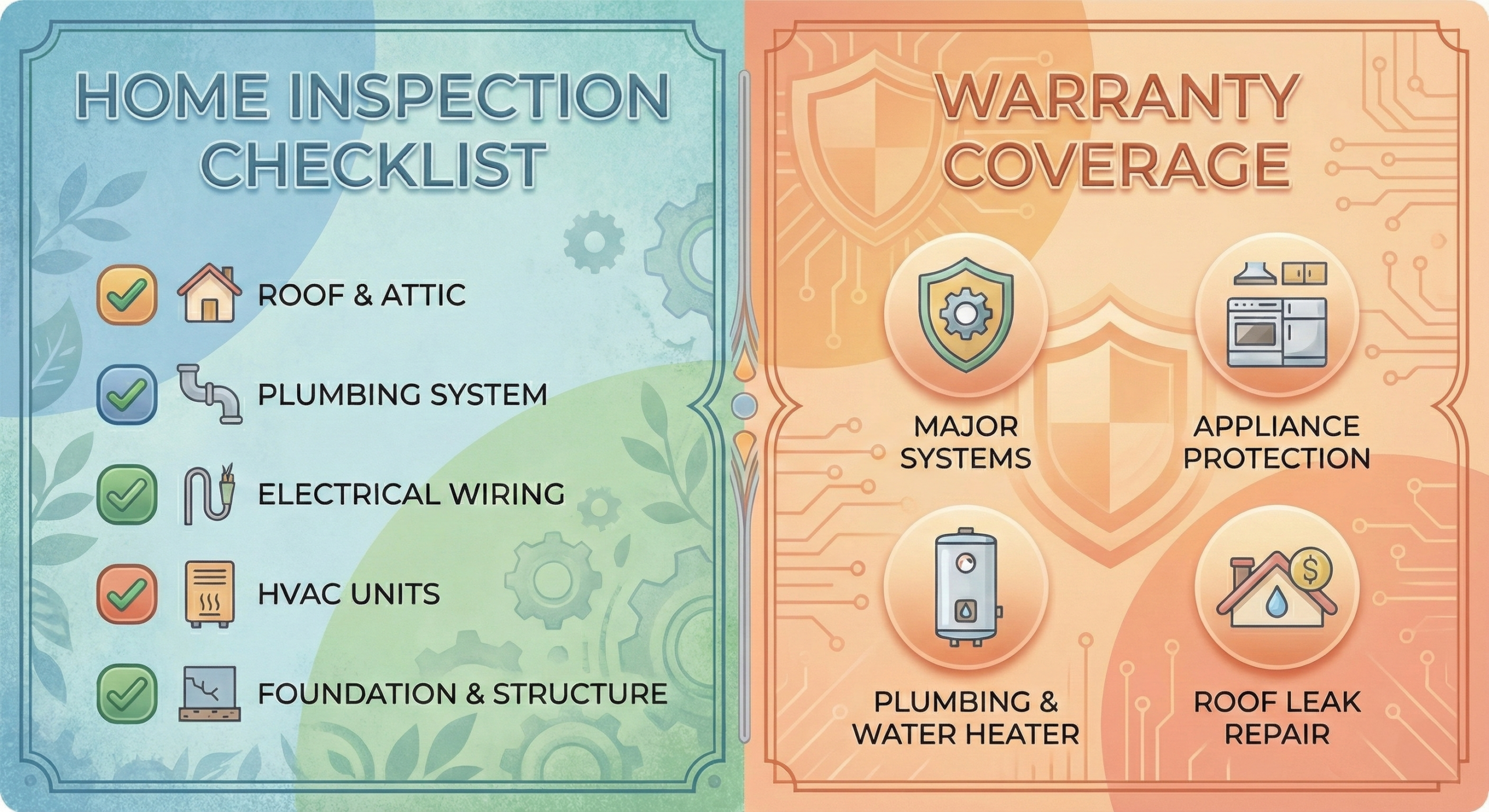
Here is the simplest way to understand how both tools support you:
- The home inspection shows you what is wrong today
- The home warranty helps with what may break tomorrow
They serve different purposes, and informed buyers rely on both to protect themselves.
Once combined, inspections and warranties provide a clearer picture of what the true cost of owning that home may look like both now and in the years ahead. ficustree helps buyers interpret inspection findings and warranty coverage so they can make well-informed decisions without stress.
Final Thoughts
Buying a home is an exciting milestone, but it is also a serious responsibility. The last thing you want is to move in and immediately face a broken AC, roof leaks, plumbing issues, or an appliance that stops working on day three.
A strong home inspection gives you clarity.
A reliable home warranty gives you peace of mind.
With both in place and the right guidance from your agent, you can move into your new home feeling confident, informed, and prepared for the road ahead.